


Empowering Women Through Water: The Resilient Uganda Story
- bbzdok6
- Apr 23, 2024
- 3 min read
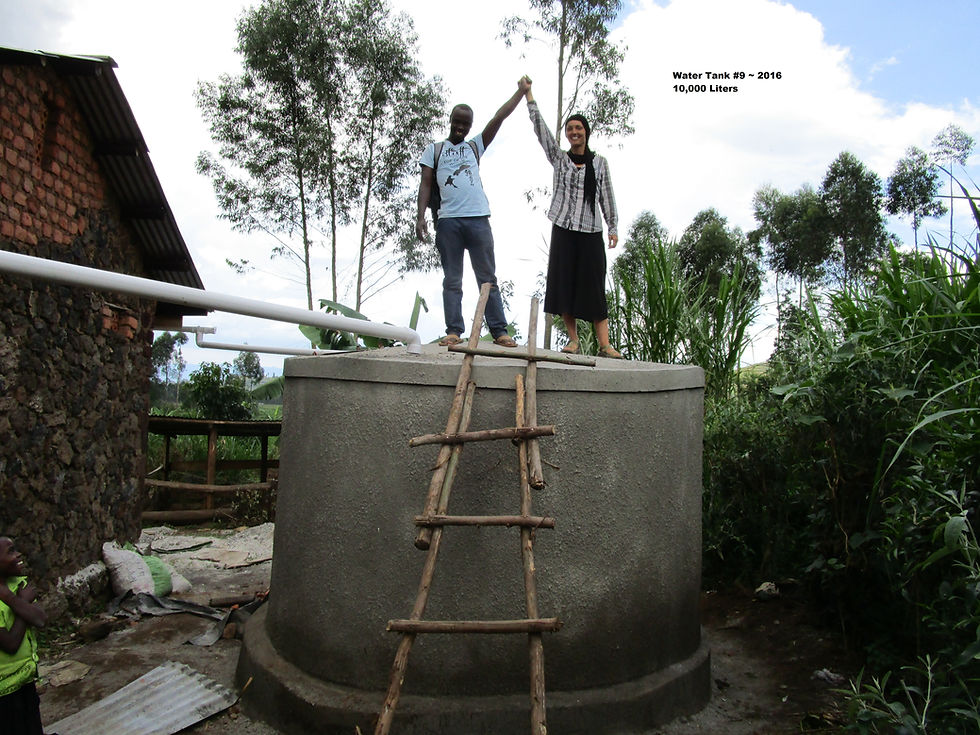
Empowering Women Through Water: The Resilient Uganda Story Image Description: A group of women in Uganda standing next to a newly built water tank. They are smiling and holding buckets filled with clean water. The tank is painted in vibrant colors and has the Resilient Uganda logo on it. The women are wearing colorful traditional clothing and are surrounded by lush greenery. In the background, there is a village with small houses and children playing. This image represents the empowerment of women through access to clean water and showcases the impact of Resilient Uganda's work in the community. At Resilient Uganda, we believe that access to clean water is not just a basic necessity, but also a powerful tool for empowerment, especially for women. Our mission is to build water tanks that harvest rainwater, providing communities with a sustainable source of clean water. But our work goes beyond that. We are dedicated to empowering women through employment, education, and access to water. Let's take a closer look at how we are making a difference in the lives of these incredible women. 1. Employment Opportunities: We believe that economic empowerment is key to breaking the cycle of poverty. That's why we prioritize hiring women from the communities we serve. By providing them with stable employment, we not only give them a source of income but also the opportunity to gain valuable skills and experience. These women become role models for others in their community, inspiring them to pursue their dreams and break down gender barriers. 2. Education and Training: We understand that education is a powerful tool for personal and professional growth. That's why we offer educational programs and training opportunities to the women we employ. Through these programs, they can improve their literacy and numeracy skills, learn about sustainable water management practices, and develop leadership abilities. By investing in their education, we are equipping these women with the knowledge and skills they need to thrive in their personal and professional lives. 3. Access to Water: Access to clean water is not only essential for health and hygiene but also for economic opportunities. When women have access to clean water, they no longer have to spend hours each day fetching water from distant sources. This frees up their time, allowing them to engage in income-generating activities, pursue education, and take care of their families. By providing communities with water tanks, we are not only improving their access to clean water but also empowering women to take control of their lives. 4. Community Impact: The impact of our work goes beyond the individual women we empower. By providing communities with access to clean water, we are improving their overall well-being. Clean water reduces the risk of waterborne diseases, improves sanitation, and enhances agricultural productivity. This, in turn, leads to healthier and more prosperous communities. The women we empower become agents of change within their communities, spreading knowledge about the importance of clean water and inspiring others to take action. The image of the women standing next to the water tank represents the power of empowerment through access to clean water. It showcases the joy and pride these women feel as they hold buckets filled with clean water, knowing that they played a role in building the tank. It also highlights the vibrant colors and traditional clothing, representing the rich culture and heritage of Uganda. In the background, the village and children playing symbolize the positive impact our work has on the entire community. At Resilient Uganda, we are proud to be part of this incredible journey of empowerment. Through our work, we are not only building water tanks but also transforming lives. Together, we can create a world where every woman has the opportunity to thrive and reach her full potential. Join us in our mission to empower women through water and make a lasting impact in the lives of communities in Uganda.


Comments